
KellyTaylorFitness is reader-supported. I may earn a commission through products purchased using links on this page. Learn more about my process here
If you’ve spent any time in the fitness world, you’ve probably heard of creatine. It’s one of the most popular and well-researched supplements on the market—and for good reason. But what is it exactly, and is it really worth the hype?
Let’s dive into everything you need to know about creatine, whether you’re just getting started or looking to level up your performance.
What Is Creatine?
Creatine is a naturally occurring compound found in your muscles and brain. It’s made from three amino acids: arginine, glycine, and methionine.
You also get creatine from foods like red meat and seafood, though in smaller amounts.
In supplement form, creatine (usually as creatine monohydrate) helps your body recycle energy more efficiently during short bursts of intense effort—like lifting heavy weights, sprinting, or HIIT workouts.
How Does Creatine Work?
Your body uses a molecule called ATP (adenosine triphosphate) for energy. But ATP gets used up quickly—within seconds during intense exercise.
Creatine helps replenish ATP faster, so you can:
- Push out more reps
- Sprint longer
- Recover faster between sets
More ATP = more power and endurance, especially in explosive, high-intensity movements.
Benefits of Creatine
Creatine isn’t just about bigger muscles (although that happens too). It offers a range of science-backed benefits:
💪 Improved Strength & Power
Especially in exercises like squats, deadlifts, and bench presses.
🧠 Brain Health Support
Emerging research shows creatine may support cognitive function, especially under stress or fatigue.
🏃♂️ Faster Recovery
Creatine helps reduce muscle cell damage and inflammation after workouts.
💧 Increased Muscle Volume
Creatine pulls water into muscle cells, making muscles look fuller and more defined.
Is Creatine Safe?
Yes! Creatine is one of the most researched supplements in the world and has consistently been shown to be safe for healthy individuals.
Myths like “it causes kidney damage” have been debunked in healthy people using normal doses.
As always, if you have a medical condition, talk to your doctor first.
How to Take Creatine
📌 Dose:
- Standard dose: 3–5 grams per day
- Optional loading phase: 20g per day (split into 4 doses) for 5–7 days to saturate muscles faster
🕐 When to take it?
- Anytime, as long as it’s consistent.
- Some studies show a slight benefit when taken post-workout with carbs/protein.
💧 Drink water!
Creatine draws water into your muscles, so staying hydrated is important.
Will Creatine Make You Gain Weight?
Yes—but not in a bad way. Creatine can cause a few pounds of water weight gain in the first week or two due to muscle hydration.
This is not fat. It’s temporary and often a sign it’s working.
Who Should Take Creatine?
Creatine is great for:
- Weightlifters & bodybuilders
- Sprinters & HIIT athletes
- Vegans/vegetarians (who may have lower natural creatine levels)
- Anyone looking to improve strength, muscle mass, and recovery
Final Thoughts
Creatine is a safe, effective, and affordable supplement that supports performance, recovery, and even brain health. Whether you’re a beginner or a seasoned athlete, adding creatine to your routine could be one of the smartest moves you make.
Here are my top 2 choices if you’re looking to try creatine.
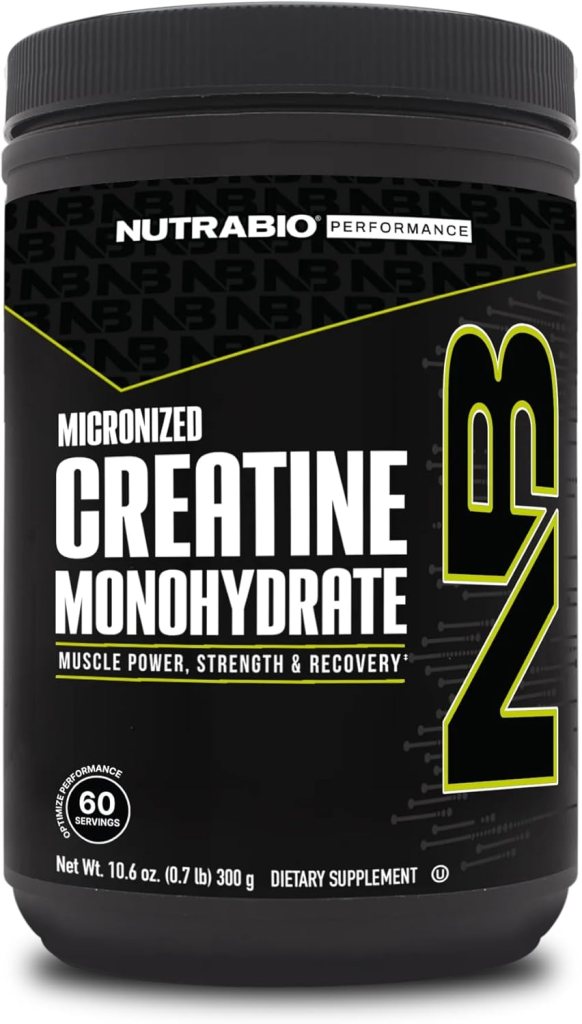
Have you tried creatine? Got questions or experiences to share? Drop them in the comments below!

2. Nutricost Creatine Monohydrate Micronized Powder
Why I like it:
- Unflavored
- Vegetarian
- Gluten Free
 Kelly Taylor Fitness
Leave a comment